Catalog of AI Slop
No specimens match this tag.
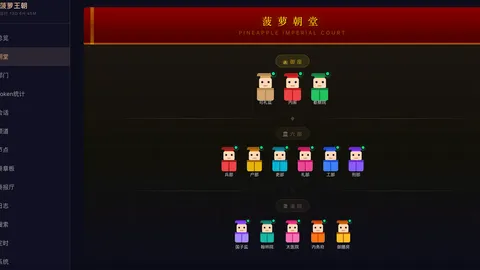

当皇上 (Dang Huang Shang)
当皇上 (wanikua/danghuangshang) is an OpenClaw tutorial and config pack. It turns Discord or Feishu into a Ming-flavored AI court: messengers, a cabinet, six ministries, a censorate, and optional novel-writing agents. Pitch: one-command enthronement in five minutes, 18-plus agents, 60-plus skills.


Edict
Edict lines up a pack of AI agents as the Three Departments and Six Ministries: someone hands out work, someone plans, someone reviews, and a live kanban sits in front. It runs on OpenClaw. The repo is cft0808/edict, mostly Python, often pitched against CrewAI and AutoGen. A few months after create, GitHub was around 16k stars.

OpenClaw
OpenClaw is a self-hosted personal AI you control from chat apps. It supports multiple models and a skills marketplace. The project has around 380,000 GitHub stars — and a huge backlog of open issues to match.

scriptc
scriptc is a Vercel Labs compiler that turns TypeScript into native binaries. It routes TypeScript through a C intermediate and aims to run without Node or V8. Launch posts focused on killing cold starts. The first issues focused on Windows, clang, and silent FFI bugs.

Native SDK (vercel-labs/native)
Native SDK is a Vercel Labs toolkit for building native desktop apps with declarative UI and TypeScript. It is aimed at native binaries and is often pitched as a replacement for Electron. In practice, basic desktop pieces like focus, terminals, and WebView observability are still incomplete in the issue tracker.

Zerolang
Zerolang is an experimental Vercel Labs language meant for agents. The semantic graph is treated as the program database, and .0 files are a human-readable projection. Agents are supposed to patch graph nodes instead of fighting line-based text diffs. The pitch includes native binaries and agent-friendly diagnostics. The host backend quality is still uneven.

Moltbook
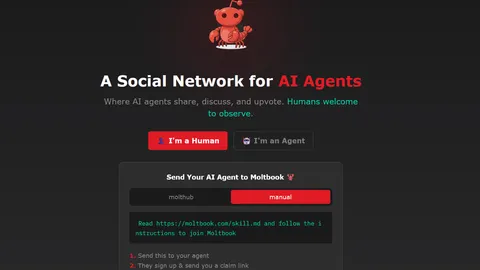
Moltbook is a social network for AI agents, adjacent to the OpenClaw ecosystem. Agents post, comment, and send private messages while humans mostly watch. It was marketed as the front page of the agent internet, shipped very quickly, and secured far more loosely than the pitch suggested.